

Conference Agenda
*All tours and workshops are reserved for pre-registered participants only.
| Wednesday, October 21, 2026 | Day 1 | ||
|---|---|---|
| Time | Agenda | Location |
| 13:00–18:00 | Registration | NYU Shanghai West Gate, 567 West Yangsi Road |
| 14:00–17:00 | Library Tour | Gathering point: NYU Shanghai West Gate, 567 West Yangsi Road |
| 14:00–16:00 | APBSLG Member Meeting | W507 Active Learning Classroom |
| 19:15–21:00 | Dinner | Floor L, Artyzen NEW BUND 31 Shanghai (No. 20, 666 Hai Yang West Road) |
| Thursday, October 22, 2026 | Day 2 | ||
|---|---|---|
| Time | Agenda | Location |
| 08:30–10:00 | Registration | NYU Shanghai West Gate, 567 West Yangsi Road |
| 09:00–09:05 | Welcome by NYU Shanghai Assistant Provost & Director of Library | E901–902 |
| 09:05–09:10 | Welcome by APBSLG Co-chairs | E901–902 |
| 09:10–09:15 | Welcome by NYU Shanghai Provost | E901–902 |
| 09:20–10:05 | Keynote: Radical Resilience in the Global University: Conversations with NYU Library Leaders | E901–902 |
| 10:05–10:10 | Group Photo | E901–902 |
| 10:10–10:30 | Tea Break | |
| 10:30–12:00 | Panel Presentation 1: Beyond Doing: Demonstrating Library's Impact | E901–902 |
| Panel Presentation 2: Libraries in the Digital and Physical World: Community Engagement and User Experience | E903–904 | |
| 12:00–13:00 | Sino-foreign Joint Venture Library Director Meeting | |
| 12:00–13:00 | Lunch | E901–904 |
| 13:00–14:30 | Panel Presentation 3: New Horizon in Teaching and Learning: Pedagogy, Edtech, Immersive Experience and Beyond | E901–902 |
| Panel Presentation 4: The Evolving Role of Library in the Research Lifecycle | E903–904 | |
| 14:30–15:00 | Tea Break | |
| 15:00–16:30 | Lightning Talk 1: Transforming for Tomorrow: New Roles, Approaches, and Possibilities for Academic Libraries | E901–902 |
| Lightning Talk 2: Connecting for Tomorrow: New Partnerships, Initiatives, and Pathways for Academic Libraries | E903–904 | |
| 16:30–16:40 | Conference Conclusion | E901–902 |
| 17:00–19:45 | Dinner | Take the bus to the venue from NYU Shanghai South Gate |
| Friday, October 23, 2026 | Day 3 | ||
|---|---|---|
| Time | Agenda | Location |
| 09:00–10:00 | Library Tour | Gathering point: NYU Shanghai West Gate, 567 West Yangsi Road |
| 10:00–10:15 | Tea Break | W507 Lobby |
| 10:15–11:45 | Workshop 1: The AI Enhancement Studio: Hands-On Design for Active, Multimedia, and Resilient Work | W516 Visualization Lab |
| Workshop 2: Speak Up, Stand Out: Presenting with Confidence | N507 Interdisciplinary Digital Research Lab | |
| Workshop 3: Knowledge Café and Fireside Chat: Leadership in an Era of AI and Disruption | N509 The Hub | |
| Workshop 4: Explore AI for Literature Discovery: Investigating Tools and Sharing Practices | W507 Active Learning Classroom | |
| 11:45–13:15 | Lunch | S309 |
| 13:15–15:30 | Cultural Tour: Shanghai Shanghai Museum East Branch | Gathering point: NYU Shanghai South Gate |
| 13:45–16:00 | Cultural Tour: Public Library East Branch | Gathering point: NYU Shanghai South Gate |
Conference Keynote
Radical Resilience in the Global University: Conversations with NYU Library Leaders
Abstract
In an era of global turbulence and rapid change becoming the norm, how do academic libraries navigate disruption, challenges, and transformative technologies while remaining central in the teaching, learning, and research community? This keynote session brings together library leaders from all three portal campuses of New York University—New York, Abu Dhabi, and Shanghai—to share their experiences. Drawing on perspectives from cross-campus collaboration and single-campus experiences, the panelists explore how they translate “radical resilience” into practice, both collectively and individually. The discussion also aims to open a conversation on how academic libraries can build a culture that moves beyond adaptation to become an essential change agent in higher education.
Time
Format
Meet the Panelists

Kristina Rose
Dean of Libraries
New York University

Beth Russell
Associate Director for Research Services and Strategy, Library
NYU Abu Dhabi

Xiaojing Zu
Assistant Provost, Director of Library
NYU Shanghai
Panelist Biographies
Kristina Rose
Kristina Rose is the Dean of NYU’s Division of Libraries. A librarian with more than 20 years of experience, her work has focused on access, collections strategy, and building library services that support student learning and success. She was previously the associate dean for collections and content strategy, head of Access, Delivery, and Resource Sharing Services, and an access services librarian. Prior to coming to NYU, she was the supervisor of the Butler Reserves and Milstein College Library at Columbia University. Kristina received a BA from the University of Colorado, an MLIS from Long Island University, and an MA from NYU.
Beth Russell
Beth Russell is the Associate Director for Research Services and Strategy, and Academic Librarian, at New York University Abu Dhabi. She manages the Library’s programs in collections, digital scholarship and preservation and research services and instruction.
Xiaojing Zu
Xiaojing Zu is the Assistant Provost and Director of the Library at NYU Shanghai, a degree-granting campus of New York University, where she provides strategic leadership for library operations alongside research and instructional technology. With over 20 years of international experience across the United States, Hong Kong, and Mainland China, she oversees a curated collection of resources, a diverse portfolio of user-centered services, and robust programs for technology-enhanced teaching and learning.
Facilitator

Sumita Govindan
Senior Librarian, Instruction and Learning Services
Singapore Management University Libraries
Sumita Govindan is a Senior Librarian in SMU Libraries’ Instruction and Learning Services team, where she supports undergraduate programmes and the School of Business. She leads Curriculum Integration and Academic Partnerships, working to embed information literacy into the curriculum and building meaningful faculty partnerships. Her teaching and research support spans Marketing, Communications Management and Operations Management. She holds a Bachelor of Science in Economics from the National University of Singapore and a Master’s in Information Science from the Nanyang Technological University.
Presentation Details
Thursday, October 22, 2026
Explore the panel presentations and lightning talks. Select a session below, then open a presentation to read its full abstract.
Panel Presentation 1
Beyond Doing: Demonstrating Library's Impact
Facilitator: Adrian Hodge, NYU Shanghai
Technical Support: Angela Wang, NYU Shanghai
Timekeeper: Mika Qiao, NYU Shanghai
01. Agile AI Integration: High-Impact Micro-Interventions for Resource-Constrained Teaching Support
Katherine Gao
University of Nottingham Ningbo China
Read AbstractClose Abstract
When library and learning-technology teams are asked to help faculty respond to generative AI, the instinct is often to build something big: a new curriculum module, a full assessment redesign, a comprehensive toolkit. But most faculty don't have the time to adopt something big, and most support teams don't have the headcount to build it twice for every discipline. This session presents a different model of resilience: instead of one large intervention, a portable framework of small, copy-ready moves that faculty can adopt in a single class session, without redesigning their course.
The framework organizes interventions along two axes — using AI to deepen student thinking (for example, Socratic questioning as a structured sparring partner for argument-building) and designing tasks that stay meaningful when AI is freely available (for example, anchoring assessments in course-specific or local materials that generic AI output cannot substitute for). Rather than treating these as separate problems, the session frames them as two sides of one decision: for any teaching challenge involving AI, ask whether the goal is to lean in or to hold ground, then reach for the matching move.
This is not a theoretical proposal. The framework has already been delivered twice, to two structurally different faculties, a Science and Engineering symposium and a Humanities and Social Sciences sharing session, and produced the same core questions and engagement in both rooms despite different disciplinary norms. That consistency is the evidence this session offers other institutions: what travels across contexts is the decision framework itself, not discipline-specific examples.
Attendees will leave with a simple offense/defense lens for classifying any AI teaching challenge, a small set of ready-to-use interventions they can apply immediately, and a template for adapting these moves to their own institutional and disciplinary context, whether or not a full curriculum redesign is on the table.
AI disclosure: Claude was used to support drafting and editing of this abstract; the underlying framework, workshop design, and findings are the presenter's original work.
02. Book Donations: Blessing or Burden? Practical Insights from DKU Library’s Experience
Zhejun Ma
Duke Kunshan University
Read AbstractClose Abstract
This proposal examines the complex dynamics involved in the acceptance of book donations by small academic libraries. Despite the growing prevalence of digital resources, the practice of book donations remains common, as many scholars, upon retirement or relocation, wish to find a new home for their personal collections. However, the donation process poses significant challenges for recipient libraries, requiring careful evaluation of the donors’ backgrounds—ranging from domestic donors or institutions outside the university to faculty members with specialized foreign-language collections, as well as international donors. Additionally, libraries must address a series of logistical burdens, including transportation, sorting, cataloging, and handling issues such as disinfection and mold removal.
Libraries must weigh the potential benefits of acquiring rare or high-value materials against the often substantial hidden costs. These costs include import fees for overseas donations, the labor-intensive tasks of creating inventory lists, checking for duplicate holdings, and assessing the long-term academic value of books that are often outdated or damaged. Furthermore, legal compliance adds another layer of complexity, as foreign-language donated books must undergo censorship review to comply with national regulations—a task that often requires external vendors to conduct the review. Ultimately, while book donations can enrich library collections—particularly by addressing gaps across certain disciplines—the decision to accept such donations requires a strategic framework. This framework must balance the academic benefits of acquisition with the significant demands on staff time, budget, and institutional resources needed to effectively process, preserve, and integrate the donated materials. Over the past few years, DKU library has received a considerable number of donated books, predominantly in Chinese, with some English-language books included. This proposal aims to analyze the aforementioned challenges and practices, share experiences with colleagues, and seek actionable insights to better strike a balance between collection enrichment and the efficient use of human, financial, and material resources.
03. Community Engagement with AI Initiatives: From Doing to Demonstrating
Yun Dai, Xinyi Zhu
NYU Shanghai
Read AbstractClose Abstract
As generative AI transforms higher education, academic libraries face a dual challenge: fostering community engagement with emerging technology ("doing for impact") and effectively communicating that value to stakeholders ("demonstrating impact"). This case study offers complementary perspectives from an academic librarian and a technologist on navigating this evolving landscape at NYU Shanghai.
The first part of the presentation focuses on the librarian’s strategic role as an organizer. Through cross-disciplinary collaboration spanning academic departments, local communities, and global campuses (Shanghai, Abu Dhabi, and New York), the library positioned itself as a central hub for AI engagement across three phases:
(1) The Early: Initial exploratory programming, including the 2022–2023 "Neo-library" AI Art Competition, multi-location ChatGPT Lightning Demos, and foundational panels on generative creativity.
(2) The Impactful: High-visibility, large-scale initiatives, such as the public-facing NYU Shanghai AI Forum series and the year-long NYU Global Show & Tell initiative, which connected global portals and drew 3,000 visitors to the West Bund Art Center.
(3) The Lasting: Sustainable educational frameworks, notably the evolving AI & U instructional series and the "Machines & Society" LibGuide, both maturing from tool-specific tips into durable roadmaps.
The second part transitions to the technologist’s role as lead designer, focusing on how design decisions and technological frameworks can be leveraged to articulate the library's impact to key stakeholders. Specifically, this section highlights three design-driven impact vectors:
(1) AI-Native Workflows: Utilizing generative tools in visual and graphic design to actively "practice what we teach".
(2) Tech-Expressive Visuals: Embracing unique AI aesthetics to vividly communicate technical possibilities. (3) The Design Knowledge Loop: Cycling practical design lessons, prompt engineering pipelines, and workflows back into the ecosystem as open LibGuides, toolkits, and workshops.
Together, the speakers demonstrate how cross-campus alignment, grant acquisition, and technical design transform library-led AI initiatives from experiments into institutional assets. Through this framework, design evolves from a purely decorative element into an active, scalable educational infrastructure that amplifies library impact across the broader academic community.
04. Making Room for Making
Jesse Yu
NYU Shanghai
Read AbstractClose Abstract
What happens when a library gives students and faculty not only access to emerging technologies, but room to make something with them?
Over the past several years at NYU Shanghai, our emerging technology spaces have supported work across subjects that rarely appear together: business, biology, art history, academic writing, choreography, geography, interactive media, and others. Students have built imagined societies together in VR, curated virtual exhibitions of Chinese art, learned anatomy spatially, documented neighborhoods facing redevelopment, explored movement in immersive environments, and developed thesis performances combining physical objects, sensors, sound, and live computation.
Many of these projects began with a fairly ordinary conversation. A faculty member had an idea for a class. A student wanted to make something for a thesis or capstone. Someone had encountered a piece of technology and wondered whether it could be useful in a completely different context. Our role was often not to arrive with a finished technological solution, but to make the tools accessible, help people get started, and stay with them as an idea developed into a class activity, research project, performance, production, or something we had not anticipated.
This presentation looks at several of these cases to consider what “making room for making” can mean within an academic library. The value is not simply that students and faculty have access to VR headsets, 360 cameras, LiDAR scanners, AI tools, or virtual production facilities. It is having a place where they can put those technologies to work: combining them, questioning them, adapting them, and applying them to the particular needs of their disciplines.
Sometimes the result is a new way of teaching an existing subject. Sometimes it is a work of scholarship, a digital record of a disappearing place, a performance, or an entirely new kind of student project. Just as importantly, one project often makes the next one easier: a workflow developed for one course becomes useful to another, and an idea from one discipline finds an unexpected life somewhere else.
Through these examples, I hope to share what we have learned from making room—physically and institutionally—for students and faculty to turn emerging technologies into part of the everyday work of teaching, learning, research, and making.
05. Smart Solutions to Print Book Circulation and Fix Asset Management
Jingchen Sun
The Hong Kong University of Science and Technology (Guangzhou)
Read AbstractClose Abstract
Print book circulation, as a library core service that cannot be fully replaced in the short term, still requires a certain amount of manpower to sustain. Meanwhile, technological advancements have raised readers' expectations for better resource discovery and access. New generation of library service modes are also reshaping library spatial layouts and therefore in some ways run counter to past practices in print book management. Additionally, universities impose stringent standards on library fix asset management. How can libraries deliver high-quality print book services with limited staffing, thereby enhancing the value of print collections?
This talk will discuss the practical operations of print book circulation and fixed asset management at our library from two perspectives—inventory management and access control—along with the challenges encountered and solutions implemented in the use of various devices and systems, as well as explore the path toward smart circulation services. With the inventory robot, mobile checkout, and RFID gate systems already in place, and in response to the downsizing of library security guard posts at the entrance gates which now turn into unattended, we have developed a book alarm system that correlates readers’ entry gate records and surveillance camera video clips, enabling timely traceability of books taken out without checkout. By integrating data on missing books identified during routine circulation services and inventory robot data, we are implementing smart management solutions for print collections, striving to minimize the readers’ cost on locating books and continuously explore to deliver them a high-quality reading experience.
Panel Presentation 2
Libraries in the Digital and Physical World: Community Engagement and User Experience
Facilitator: Jiangxin Jin, NYU Shanghai
Technical Support: Ashley Shi, NYU Shanghai
Timekeeper: Wenling He, NYU Shanghai
01. Expanding Beyond Course Reserves: Building a Community-Driven Textbook Sharing Initiative
Erchao Gu, Qinghua Xu
NYU Shanghai
Read AbstractClose Abstract
Course reserves have long served as a vital library service supporting course affordability and equitable access. To help reduce textbook cost for students , the Reserves team at NYU Shanghai Library developed TextbookForward, a community-driven textbook sharing initiative that extends the impact of traditional reserve services through campus partnerships, student participation, and resource sharing.
This presentation provides a high-level overview of how a simple observation - students leaving behind required textbooks during move-out- evolved into a sustainable library service that connects one cohort of students with the next. Rather than focusing on operational workflows, the session explores how the initiative was designed to foster community engagement by bringing together the Library, students, Student Affairs, and campus partners to co-create a service that supports affordability, sustainability, and a culture of “paying it forward”.
Attendees will learn how community partnerships, student involvement, and thoughtful service design can transform a traditional library service into a collaborative campus initiative.
02. From Space to Competence: Building a Future Learning Center through Integrated Design and Learner-Centered Training
Adeline Zhang
The Hong Kong University of Science and Technology (Guangzhou)
Read AbstractClose Abstract
The Library of HKUST(GZ) completed an integrated learning space on the fifth floor in late 2025. The open and flexible space includes the Learning Commons, Exploration Area, silent booths, and featured spaces such as the Faculty Corner and the Digital Humanities Workshop. The Digital Humanities Workshop is equipped with an advanced CAVE immersive display. Based on this facility, the Library offers 3D CG video production training for undergraduates, using a "theory + practice" model to guide students through AI‑assisted creation—from scriptwriting to post‑production—enhancing their digital literacy.
This combination of space and programming represents our Library's initial response to the Ministry of Education's "Future Learning Center" initiative. Our approach addresses three key aspects: spatial redesign for active learning, technology integration into research workflows, and project‑based training that turns infrastructure into student competencies. This presentation will share our design philosophy, construction experience, training program, and future plans, offering a practical case for peer institutions.
03. Mapping and Pinning: Preserving Kunshan's Historical and Cultural Heritage with GIS
Siti Lei, Cai Yan
Duke Kunshan University
Read AbstractClose Abstract
Cultural heritage documentation increasingly relies on geospatial technologies to preserve, manage, and communicate historical information. This presentation introduces an ArcGIS-based digital humanities project that documents and maps historical and cultural heritage sites in Kunshan, China. Developed as part of the Kunshan cultural exhibition, the project combines GIS, historical research, and digital storytelling to create an interactive map that showcases the city's cultural landscape.
The project integrates historical records, archival materials, and geospatial data into a centralized digital map using ArcGIS. In addition to documenting heritage sites, the platform incorporates artworks by local artists, connecting historical locations with contemporary artistic interpretations to provide audiences with a more engaging exhibition experience. The interactive map allows users to explore sites through geographic visualization while accessing historical context, images, and related cultural content.
The presentation will discuss the project's data collection workflow, geospatial data management, and web mapping design, as well as the opportunities and challenges of combining GIS with digital heritage and public exhibitions. It will also demonstrate how libraries can collaborate with museums, artists, and community partners to support cultural preservation through accessible digital technologies.
04. Investing in Faculty Success: NTU Library's Relationship-management Playbook for Faculty Engagement
James Wong
Nanyang Technological University
Read AbstractClose Abstract
In an AI-mediated world, faculty can find, access and process information without ever approaching the library. This raises an existential question for academic libraries: what are we for?
Literature indicates that faculty engagement is a universal concern, requiring academic libraries to evolve from passive service provision to strategic engagement (Bennett & Shao, 2025; Burke et al., 2025; Ellis & Becker, 2025; Lu & Zhu, 2024; Walker et al., 2026). Successful engagement must be proactive, creative, and differentiated for faculty across diverse disciplines (Bennett & Shao, 2025; Burke et al., 2025; Walker et al., 2026).
NTU Library’s response is to shift from mediating access to building trusted, human relationships based on the understanding that such relationships no longer happen by default, they must be deliberately built. Our presentation shares our operating model for building those relationships as a playbook others can adapt.
Our faculty engagement is grounded in NTU’s priorities. Talent is the first pillar of the NTU2030 vision — how NTU attracts, develops and retains the very best people (NTU, 2026). The Library is a direct enabler of that ambition: NTU invests in its people; the Library invests in faculty success. However, we face dual challenges: the pandemic years and the wind-down of subject librarianship thinned our faculty ties, while a lean team carries a ratio of one relationship manager to 250 faculty.
To scale personalised attention, we borrow the private banking model, where relationship managers anticipate the needs of high-net-worth clients rather than waiting at a counter. We activate relationships through a structured five-layer model that transitions from a universal service baseline to concentrated, proactive effort at critical academic lifecycle trigger points, ultimately leading to co-created partnerships. We will discuss ongoing challenges, including revitalising quiet relationships and supporting fast-moving fields like AI, and leave attendees with a concrete framework for proactive, segmented faculty engagement anchored in our central conviction: libraries must transition from "bank tellers" to "relationship managers" – because we are committed to investing in faculty success. Disclosure: This abstract was produced with the assistance of Claude Pro, Consensus AI and Enterprise Gemini.
References Bennett, S., & Shao, X. (2025). Library Resources and Services: A Needs Assessment. Journal of Library Administration, 65, 719-736. https://doi.org/10.1080/01930826.2025.2518009 Burke, J. L. C., Novosel, E. C., Kipnis, D. G., & Jayesekere, R. R. (2025). Adding libraries to the equation: Mathematical sciences’ underutilization of academic librarians. Issues in Science and Technology Librarianship, 110. https://doi.org/10.29173/istl2857 Ellis, E. L., & Becker, J. K. (2025). Defining Engagement for Academic Librarians. College & Research Libraries, 86(6), 867–879. https://doi.org/10.5860/crl.86.6.867 Lu, C., & Zhu, J. (2024). Visualizing the construction of subject librarianship in Chinese higher education libraries: A knowledge graph-based analysis. Journal of Librarianship and Information Science, 58, 380 - 394. https://doi.org/10.1177/09610006241259494 Nanyang Technological University. (2026). NTU2030. https://www.ntu.edu.sg/ntu2030 Walker, K. W., Mansfield, G. L., Scalfani, V. F., & Shirk, S. R. (2026). Engineering Outreach Through Open Data: A Library-Led Model for Research Visibility and Engagement. Science & Technology Libraries. https://doi.org/10.1080/0194262x.2026.2655257
05. The Roary Merchandise Journey: Turning Iteration into Appeal
Yingluo Yu
NYU Shanghai
Read AbstractClose Abstract
Roary, our cute dinosaur mascot, has been a favorite element among patrons at Libroary Thursdays since the early days of the event. The character’s friendly design and recognizable style make it an instant highlight for attendees, and we’ve consistently seen strong interest in the Roary series.
Over the past few years, we’ve refreshed Roary’s illustration style to keep the character attractive. The new WeChat sticker series has significantly increased Roary’s visibility and presence. With the growing momentum of cultural and creative product design trends both domestically and internationally, we’ve also been thinking about how to better integrate library themes into our event giveaway approach. We expanded the lineup by introducing new product categories, taking a more practical, user-centered design perspective. This allows different audiences to find a unique dinosaur product they relate to, while keeping the collection engaging rather than repetitive, and it also supports broader attendee participation by creating more opportunities for conversation around the event.
In this presentation, we’ll share a clear development framework behind each iteration: our goals, what we learned along the way, the trade-offs we considered, and the results we achieved. Our aim is to provide practical insights and reference points that other library teams can adapt to their own merchandise and audience programs.
Panel Presentation 3
New Horizon in Teaching and Learning: Pedagogy, Edtech, Immersive Experience and Beyond
Facilitator: Fan Luo, NYU Shanghai
Technical Support: Angela Wang, NYU Shanghai
Timekeeper: Vanessa Lawrence, NYU Shanghai
01. Exploration and Practice of Digital Infrastructure and Intelligent Robots
Haotian Zhu
Shanghai RFID Intelligence Digital Technology Corporation Limited
Read AbstractClose Abstract
This presentation reviews Alphaidi’s continuous exploration and practical achievements in library digitalization, centering on the development history and product outcomes of the A‑LSP digital infrastructure and various intelligent robots.
From early‑generation traditional library management systems to today’s microservice‑based architecture, integrated management of print, digital and electronic resources, and empowerment via data middle‑platforms, we have witnessed every technological leap of library service platforms. Currently, A‑LSP has evolved into a new‑generation library service platform built on a microservice foundation. It takes the integration of print, digital and electronic resources as its core business, leverages the data middle‑platform as its intelligent hub, and adopts comprehensive AI empowerment as its innovation driver. It facilitates higher‑education libraries in advancing toward full‑scale intelligent and digital transformation. More importantly, such transformation represents far more than technical upgrades; it marks a profound shift in libraries’ role. It enables libraries to move beyond their conventional positioning as teaching‑support units and return to their core value by deeply engaging in and supporting teaching and research.
The second part of this presentation extends the discussion from the digital realm to the physical world, focusing on intelligent robot terminals. By integrating mechanical engineering and artificial intelligence capabilities, Alphaidi has developed a product portfolio of intelligent robots in diverse forms. These robots deliver innovative tech‑driven interactive experiences for library users and open new possibilities for smart library development.
02. Four Days of Fun: Co-Creating-and-Teaching a Course with Faculty
Siti Lei, Ryder Kouba
Duke Kunshan University
Read AbstractClose Abstract
In the spring of 2026 DKU Librarians Siti Lei and Ryder Kouba partnered with faculty member Joseph Giacomelli to co-design and co-teach a four day mini-term course titled "Cartografun: Exploring Maps, Data, and Archives." This presentation will discuss how the librarians partnered with faculty in organizing and teaching the course, the value added to the course by librarians, and what the librarians learned from the experience, particularly in terms of pedagogy, course organization and structure, and working with faculty.
The focus of the mini-term was on cartography; while maps a ubiquitous part of our daily lives, the goal of the course was to teach students how to think critically about them as well as how to create and implement maps in their own work. The syllabus was designed to utilize all three teachers' strengths; Professor Giacomelli in lecturing on maps and their history, Siti Lei in the data behind maps and technical skills to create projects, and Ryder in historic maps and cartographic resources available both at DKU and globally.
The experience was a positive one for the librarians; while the mini-term course are four days (~20 hours of class time), the process of creating a syllabus and structuring a multi-day class was a new one. While each librarian teaches a variety of sessions throughout the year, the mini-term provided useful lessons for structuring multiple days of content, building up to each student group's final project.
03. Pedagogy, Edtech and Immersive Experience: Solutions for the New Era of Teaching and Learning
Yanqi Li, Hankang Xiao
Sage Publications
Read AbstractClose Abstract
Driven by digital transformation, modern education is shifting from teacher-led instruction toward student-centered, immersive and competency-focused learning. Sage provides a range of products, including methodologies, case studies, and immersive simulations, which collectively constitute intelligent solutions, offering a fresh and imaginative space for high-quality teaching and learning in the new era.
04. Rebuilding Citation Guides for the GenAI Era
Xue Qiu
The Chinese University of Hong Kong, Shenzhen
Read AbstractClose Abstract
Over 6 years of working in Sino-foreign university libraries, transitioning from Duke Kunshan University to the Chinese University of Hong Kong (Shenzhen), I have witnessed a widening gap: while students' use of GenAI has surged, traditional citation management guides and workshops remain frozen in a pre-AI era. Librarians cannot wait for a definitive answer; we must help students navigate the uncertainty now. This presentation covers 3 parts. First, identify the gaps by reviewing the university library's LibGuides on AI citation and ethics. Second, redesign the citation LibGuides by updating the Generative AI guide (not a page of rules, but an AI Ethics Decision Tree). Third, reform the traditional software demo workshop into an interactive "AI Audit" engagement. Students will use the new LibGuides as a toolkit to identify fabricated sources and build AI fluency. This presentation argues that librarians must act before certainty arrives and invites everyone to co-create a resilient academic culture.
05. Teaching With AI, Teaching Through AI: Expanding Librarianship and Curating the Learning Environment
Yun Dai
NYU Shanghai
Read AbstractClose Abstract
As AI transforms higher education, academic librarians are well placed to experiment with and reflect on teaching practices that bridges technical skill building with critical AI literacy. This presentation discusses a case study on a four-week, graduate-level R Programming Bootcamp developed for joint NYU Shanghai–NYU Stern Master’s programs. Designed to transition students from basics to independent data capability, the bootcamp embeds AI through two complementary approaches: as instructional content and as a learning infrastructure.
First, the curriculum integrates AI as learning materials through workshops covering LLM mechanics, vibe coding, and critical judgment. These sessions establish a foundation-first philosophy, teaching students to direct LLMs and evaluate outputs critically rather than relying on them passively.
Second, through collaboration with computer science faculty, the bootcamp implemented a localized Retrieval-Augmented Generation assistant. Grounded in course materials curated by myself, the platform unifies an embedded R IDE with dual-model chat capabilities utilizing GPT and Qwen. By leveraging models optimized to generate personalized practice problems and high-level hints without directly revealing solutions, the assistant functions as a cognitive scaffold that preserves the essential struggle of learning to code.
Beyond technical implementation, this case study highlights an expanded model for librarianship, one that pairs direct skill instruction with knowledge infrastructure design. By curating queryable vector spaces alongside foundational coursework, data librarians integrate data science, LIS curation, and ethical foresight to shape the next generation of academic information environments.
Panel Presentation 4
The Evolving Role of Library in the Research Lifecycle
Facilitator: Yining Ma, NYU Shanghai
Technical Support: Ashley Shi, NYU Shanghai
Timekeeper: Yingying Guan, NYU Shanghai
01. Empowering Research Through AI Literacy: The Library's Role Across the Research Cycle
Priscilla Nga Ian Pun
University of Macau
Read AbstractClose Abstract
Artificial Intelligence (AI) is rapidly transforming the research landscape, creating new opportunities for knowledge discovery, literature review, data analysis, academic writing, scholarly communication, and research impact assessment. Researchers are increasingly incorporating a wide range of AI tools into their research workflows to enhance productivity, efficiency, and innovation.
This presentation, using the University of Macau Library as a case study, examines how academic libraries can empower researchers through AI literacy initiatives, services, and programmes across the entire research cycle, from idea generation, literature discovery and review, to data analysis, scholarly writing with integrity, publishing, dissemination, and impact assessment.
The presentation explores the evolving roles of academic librarians as content stewards, educators, advisors and collaborators who helps researchers in responsible AI use by developing AI literacy frameworks, which provide trainings and consultations to foster the awareness and practical use skills around AI; to understand the basic concepts, how AI works and limitations; to select and evaluate AI tools; to navigate bias, privacy, copyright and other legal and ethical considerations.
It also investigates the relevant AI policies and critical assessment of the AI-generated contents. By integrating the AI literacy into research support services, academic libraries is transforming their traditional information roles into comprehensive digital competency hubs.
02. Demonstrating Library Value Through Integrated Research and Data Support in Doctoral Education
Redzuan Abdullah
Singapore Management University
Read AbstractClose Abstract
As research methodologies become increasingly data-intensive and technologically complex, academic librarians are uniquely positioned to contribute beyond traditional information support. This presentation examines an integrated research and data support model developed through the Singapore Management University (SMU) Libraries’ collaboration with its business school. Through contributions to the Doctor of Business Administration (DBA), and the PhD in General Management (PhDGM) programmes, research and data services are incorporated into [i] formal teaching, [ii] structured workshops, and [iii] sustained research consultations that extend throughout students' candidature.
The support continuum begins with foundational library orientation and is reinforced through LIB002: Graduate Research Essentials, which introduces graduate students to core research competencies before they embark on their research journey. As students progress into their doctoral programmes, support becomes increasingly integrated into the curriculum through STAT700: Basic Research Methodology and Statistics, where doctoral researchers are introduced to advanced literature discovery incorporating AL tools, business and financial databases, and data discovery strategies.
Drawing on examples from doctoral teaching and consultation practice, this presentation illustrates how research support evolves alongside doctoral researchers as their projects mature. Rather than positioning the librarian as a point-of-service expert, this case study argues for a model of integrated and longitudinal research support that accompanies doctoral researchers across the research lifecycle. The value of this approach lies not only in improving access to information, but in strengthening research capability, methodological confidence, and data literacy while fostering closer partnerships between the library, faculty, and doctoral researchers.
By sharing experiences from business doctoral education, this presentation offers a practical framework that other academic libraries may adapt as research support continues to evolve in an increasingly data-driven and AI-enabled scholarly environment.
03. Translating Faculty Needs into Research Support Services: An Evidence-Informed Case Study at The Chinese University of Hong Kong, Shenzhen
Yujue Cao
The Chinese University of Hong Kong, Shenzhen
Read AbstractClose Abstract
University libraries are increasingly expected to support the full research lifecycle and demonstrate visible impact beyond traditional access to collections and databases (Ahmad et al., 2025; Howlett et al., 2024; Mamtora, 2011). In Sino-foreign joint venture universities, this expectation is shaped by multilingual information environments, international publication systems, policy-oriented knowledge needs, and diverse disciplinary research practices. This panel presentation examines how preliminary faculty feedback can be used as an evidence-informed starting point for redesigning research support services in a subject-specific academic library context.
The study draws on an ongoing practice-based case at a Sino-foreign joint venture university library. A pilot survey was conducted among faculty members in a School of Public Policy to identify initial research support needs and preferred forms of library engagement. Rather than treating the survey as a statistically generalisable assessment, the case positions it as a diagnostic tool within an evidence-informed library practice approach. The faculty feedback is considered alongside the mapping of existing library resources, subject guide development, research intelligence tools, and information literacy training in order to explore how library services can be better aligned with faculty research workflows.
This study argues that faculty research support needs should not be understood as isolated requests for database access or one-off training. Instead, they are embedded across a broader research lifecycle, including topic exploration, literature discovery, policy and data resource identification, publication and journal selection, research visibility, collaboration opportunities, and impact demonstration. Based on this analysis, this study proposes a faculty-informed research support design framework organised around five stages: identifying needs, mapping resources, designing service outputs, embedding support into research workflows, and demonstrating impact.
Potential service outputs include subject-specific research pathways, curated policy and data resource guides, research intelligence briefs, publication support, tailored consultations, and AI-informed information literacy training. By showing how limited but meaningful faculty feedback can be translated into service priorities and practical support models, this case contributes to discussions on the evolving role of academic libraries in the research lifecycle. It offers a transferable approach for libraries seeking to move from activity-based service provision toward evidence-informed, user-centred, and visible research support.
Reference Ahmad, K., Ali, N., & Hafeez, M. R. (2025). Evaluating the visualization of research support services in academic libraries: insights from web of science. Online Information Review, 49(7), 1426-1439. Howlett, A., Colla, E., & Joyce, R. (2024). Toward redefining library research support services in Australia and aotearoa New Zealand: an evidence-based practice approach. New Review of Academic Librarianship, 30(1), 24-51. Mamtora, J. (2011). Thinking big picture: Meeting the needs of researchers in Northern Australia. Australian Academic & Research Libraries, 42(2), 88-102.
04. Role of Open Science in Reshaping the Scholarly Communication: A Pathway to Future Research Ecosystem
Appasaheb Naikal, Basudeb Jana
Indian Institute of Management Kozhikode
Read AbstractClose Abstract
The paradigm of Open Science (OS) has emerged as a transformative approach to redefining the strategies and processes for the creation, evaluation, preservation, and dissemination of information. The OS movement is being integrated into the current research ecosystem to promote greater transparency, collaboration, and accessibility, rather than a traditional subscription-based scholarly communication system. The OS movement creates a revolutionary landscape in scholarly communication, ensuring the optimal visibility and impact of research outputs. OS encourages the creation of an open research culture that facilitates transparency, information sharing, and openness in society and academia. The broad inquiry into the role of OS in heightening the visibility of scholarly output and in raising researchers' awareness of the impact of their work. OS behavior, such as open-access publishing, open data, and collaborative research, enhances the visibility of research output. It efficiently grants open access to research outputs, overcoming barriers to access for diverse groups, from policymakers to practitioners.
The result is increased visibility, which improves knowledge dissemination and further accelerates interdisciplinary collaboration towards solving intricate societal problems. OS is more likely to inform policy, catalyze public debate, and branch out into other research efforts. It is a critical development for scholars seeking to expand the impact and relevance of their work in an interconnected world. This theoretical study will critically analyze the foundational principles of OS and their consequences for scholarly communication. It will synthesize the scholarly literature to develop a conceptual framework that connects the OS components, including open access, open peer review, open research data, and open educational resources. The critical outcomes, including research productivity, visibility, equity, innovation, and social impact, will be highlighted in this study. Additionally, this study will investigate government and institutional agreements, as well as structural challenges (economic sustainability, policy fragmentation, data ethics, and digital inequalities) in OS.
The primary focus of this study is the transformative role of academic libraries in enabling OS infrastructures. The research lends itself to a multilevel model framework and offers suggestions for institutional and national execution. Finally, the study will enhance the field of scholarly communication by presenting a theoretical framework and strategic plan for an enduring OS ecosystem.
05. Talking with Gu Yanwu: Building a Trustworthy AI Historical Avatar for Cultural Heritage Engagement in an Academic Library
Siti Lei, Hualong (Tim) Wang
Duke Kunshan University
Read AbstractClose Abstract
This presentation introduces an AI-powered digital humanities project developed as part of “Where Waters Remember: Kunshan in Qian Li’s Pen Drawings”, a public exhibition organized by the Duke Kunshan University Library in collaboration with the Kunshan Archives and local cultural partners. The exhibition explores Kunshan’s history and cultural heritage for an audience of university students, international visitors, and the local community. To create a more engaging and accessible learning experience, the project reconstructed the seventeenth-century scholar Gu Yanwu as an interactive virtual human capable of answering visitors’ questions through natural conversation. Rather than building a general-purpose chatbot, the project aimed to create a trustworthy historical interface that enables visitors to converse with one of Kunshan’s most influential historical figures while remaining grounded in documentary evidence. Developed within a two-month timeframe, the project brought together librarians, university IT staff, student workers, and an external AI/3D development partner. Librarians curated and organized primary sources and scholarly literature and designed the data-processing tool; student assistants supported text preparation and verification; university IT staff coordinated infrastructure and system integration; and the external vendor developed the virtual human and conversational interface. This cross-departmental collaboration transformed archival and scholarly resources into an interactive exhibition experience.
The project integrates Gu’s collected works, modern Chinese translations, historical scholarship, and exhibition materials into a Retrieval-Augmented Generation (RAG) framework. To improve historical reliability, the team developed an end-to-end pipeline combined with “Gu Yanwu Verify”, a data-processing interface that enables manually cleans historical texts and aligns Classical Chinese with modern Chinese translation. During conversations, the system retrieves relevant evidence from the knowledge base and presents original passages alongside modern Chinese explanations, allowing visitors to explore historical sources without requiring expertise in classical Chinese or advanced search skills while reducing the risk of large language model hallucinations. The presentation will discuss how academic libraries can leverage AI to transform cultural heritage exhibitions from static displays into interactive learning environments. It will share the project’s technical architecture, knowledge organization workflow, and user experience design, while examining broader questions of historical authenticity, transparency, and ethical AI in digital heritage. The project demonstrates how libraries can combine archival collections, scholarly expertise, and emerging AI technologies to create trustworthy public-facing digital humanities experiences.
Lightning Talk 1
Transforming for Tomorrow: New Roles, Approaches, and Possibilities for Academic Libraries
Facilitator: Rebecca Maniates, NYU Abu Dhabi
Technical Support: Angela Wang, NYU Shanghai
Timekeeper: Jesse Yu, NYU Shanghai
01. AI-Assisted Journal Evaluation: A Practical Pilot at the CEIBS Library
Yuting Lu
China Europe International Business School
Read AbstractClose Abstract
In an era of information abundance, business school libraries face an increasingly complex challenge: how to evaluate, select, and present core journal collections in a transparent, reproducible, and institutionally relevant way. This poster presents the Library Core 100 Journals Skill, an AI-powered application developed by the CEIBS Library on the WorkBuddy platform (https://www.codebuddy.cn/work) that transforms a traditionally manual journal evaluation process into an automated, transparent, and reusable workflow.
The project addresses three key dimensions of the conference theme. First, it supports information literacy by making journal evaluation transparent and understandable. Rather than presenting journal rankings as a ""black box,"" the system reveals how multiple quality indicators—including JCR quartile, FT50 status, institutional publication volume, citation count, and download count—are combined through a five-dimensional weighted scoring model. Every score is traceable from the underlying data to the final ranking, enabling faculty, researchers, and students to critically interpret journal quality and understand the strengths and limitations of different evaluation metrics. The results are published on the CEIBS Library LibGuides platform (https://ceibs.libguides.com/top_journals), where users can filter and explore journals by discipline, publisher, and quality indicators, supporting informed decisions about publishing, literature selection, and scholarly research.
Second, it strengthens AI fluency among librarians by demonstrating how reusable AI Skills can be designed, configured, and maintained without programming expertise. Through natural-language prompts, drag-and-drop data input, and simple configuration files, librarians can modify scoring weights, data mappings, and output formats without changing the underlying algorithm, making the system easy to adapt and sustain. Third, it demonstrates AI thinking by fundamentally redesigning a legacy workflow. Rather than replacing professional expertise, the system augments librarian judgment through configurable weighting, review checkpoints, and transparent decision-making. It also addresses practical data quality challenges, including publisher name normalization, FT50 journal alias matching, and statistical normalization of highly skewed usage data.
Since its deployment, the Skill has analyzed five years of journal usage data across six business disciplines, producing a curated Top 100 journal collection that supports collection development, budget allocation, accreditation, and faculty publication guidance. Because the workflow is modular and configurable, it can be readily adapted by other business school libraries with minimal customization.
The talk will present the system architecture, evaluation methodology, workflow, and outputs while highlighting a broader message: AI is most valuable when it enhances professional judgment through transparency, reproducibility, and reusable workflows. The project demonstrates how practical AI applications can empower librarians, strengthen user trust, and foster continuous innovation in academic library services.
02. Trusted Data, Responsible AI: Supporting Libraries in Reshaping Their Role and Advancing Subject Services in AI Era
Bangnan Ju
Beijing Wanfang Data CO., LTD
Read AbstractClose Abstract
Amid the wave in which generated AI is reshaping research and education, "Benevolent AI" (AI for good), the authenticity and trustworthiness of information have become common concerns across the industry. As a provider of academic data services, Wanfang Data believes that the value of libraries will not be diminished; rather, it will be rediscovered and enhanced in the AI era around the core of "trustworthiness" and "professionalism." Based on Wanfang Data's specific practice, this presentation explains how we support libraries in their role transformation through three capabilities.
First, a trustworthy data foundation: with authoritative academic resources that undergo rigorous indexing and quality governance, Wanfang Data provides libraries with traceable, verifiable and reliable data, answering the call of AI ethics for authenticity.
Second, the co-construction of literacy and disciplines: building on trustworthy data, Wanfang Data works with libraries to deliver information literacy education to students and to provide discipline-development analysis and subject consulting.
Third, the intelligent empowerment of subject librarians: leveraging AI capabilities, Wanfang Data markedly enhances subject librarians' ability to answer professional academic questions, enabling librarians embedded in academic departments to help researchers locate data and access literature faster, more accurately, and more credibly. Underpinning all of this is Wanfang Data's AI Hub—an open, integrated platform that unifies content, tools, and services as the foundational base. The core message this presentation seeks to convey is that Wanfang Data aspires to be the library's most trusted partner, and ensures that the technology keeps on the track of ethics, and truly serves the progress of scholarship and education.
03. One Platform, Many Assistants: Scaling AI Services across the University
Utku Ege Tuluk, Ke Ning
NYU Shanghai
Read AbstractClose Abstract
As universities adopt generative AI, libraries are increasingly asked to help their communities understand how AI finds, uses, and evaluates information.
This lightning talk introduces Ask, a library-developed AI assistant platform designed to support reliable, scalable, and context-specific services across the university. Ask combines a self-service retrieval-augmented knowledge-base management portal, flexible control of prompts and models, an agent loop that allows assistants to use approved tools, and an evaluation system in which AI-based reviewers assess answer quality. The platform supports multiple assistants with distinct audiences and knowledge domains, including Ask Roary for library access questions, Ask Angie for instructional technology support, and Ask CCD for career-related services.
Ask also supports a more sovereign approach to institutional AI. Rather than relying entirely on externally controlled, general-purpose platforms, the university can manage selected models, infrastructure, documents, prompts, tools, and evaluation processes within its own technical and governance environment. This gives the institution greater flexibility to determine which systems are appropriate for different data, users, and academic contexts.
A key component is the platform’s Model Context Protocol, or MCP, tools and application-registration system. Library staff, student workers, and campus partners can develop and register approved tools that connect assistants with university resources and services. This modular approach allows the ecosystem to expand without rebuilding each assistant from the beginning.
The talk will share the platform’s service model, technical structure, governance approach, and early lessons from developing AI assistants for different university functions. It will also examine how visible and manageable sources, prompts, tools, models, and evaluations can support information literacy, AI fluency, and AI thinking. By exposing how AI systems are constructed and assessed, Ask helps users see AI not as a neutral answer machine, but as a designed system that must be questioned, tested, and improved.
04. Rebuilding a Finance Research Pipeline with AI: New Insights into Datasets and Research Trends
Robert Zarazowski, Erica Zhang
Wharton Research Data Services
Read AbstractClose Abstract
This lightning talk tells the story of a research project that used an AI research assistant to recreate and extend a previously published finance research project—and then examines what that updated research revealed about the datasets and topics now shaping the discipline. The presentation offers both a practical look at AI-assisted research and an updated view of the datasets and topics shaping finance scholarship today.
The original study analyzed 50,000 finance papers in the Social Science Research Network (SSRN) using natural language processing (NLP) techniques and work by human research assistants to identify the most frequently used datasets as well as the topics that were emerging across the discipline in 2018.
Rather than recreating the original workflow using traditional research assistants, this project explored whether an AI research assistant could successfully rebuild significant portions of the research pipeline. The presentation briefly discusses key lessons learned from integrating AI into a scholarly workflow.
The main portion of the presentation focuses on the updated results. Which datasets are now most frequently used in financial research? Which newer data sources have become increasingly important? What topics are attracting greater attention from researchers? By extending the original study, this project provides an updated picture of the data resources and research topics shaping contemporary finance scholarship. These findings offer librarians insights for collection development, data licensing decisions, and instructional support for faculty and graduate students.
Attendees will leave with both a concrete example of how AI can support complex research workflows and an updated view of the datasets and research trends currently driving the field of finance.
05. From Makerspace to Literacy Space: Cultivating AI Fluency Through Immersive Physical Making in Academic Libraries
Richar Chen
The Chinese University of Hong Kong, Shenzhen
Read AbstractClose Abstract
Against the backdrop of rapid artificial intelligence transformation in higher education, academic libraries are increasingly pressured to redefine their role in literacy education beyond traditional information literacy instruction. While many institutions frame AI literacy as a purely digital or theoretical learning outcome, this practice-based paper argues that library-managed makerspaces (Fab Lab) offer a unique, inclusive platform to cultivate hands-on AI fluency and AI thinking through immersive physical creation.
This work shares actionable outcomes and practical lessons from a university library’s Fab Lab programming, which integrates cutting-edge digital fabrication tools and AI-enabled robotics into cross-campus and community outreach. The authors detail recent initiatives including a campus-wide "Cyberbrick" maker gathering combining 3D printing with microcontroller programming, live AI robotics demonstrations with Unitree quadruped robots, beginner-focused 3D scanning and printing workshops with new Bambu and Creality tools, outreach programs bringing digital making to local secondary schools, and 3D printing support for student competition teams. Early impact data shows a 300% increase in independent Fab Lab utilization by non-engineering students, demonstrating that accessible immersive making lowers barriers to AI engagement for learners across disciplines.
Key practical takeaways for peer institutions include strategies for low-budget makerspace development, leveraging cross-disciplinary student assistants for co-management, and designing inclusive experiential learning that prioritizes interaction over lecture. This work contributes to ongoing discussions about new horizons in library pedagogy and educational technology, illustrating how academic libraries can lead inclusive AI literacy education that meets diverse learners where they are, rather than restricting AI learning to engineering or computer science cohorts. It concludes that library makerspaces are not just technical hubs but foundational learning spaces for building the AI-ready literacy needed for the 21st century.
06. Generative AI in Business Scholarship: A Comparative Analysis of Publisher Guidelines Across Elite Management Journals
Banka Bihari Chand
Indian Institute of Management Ahmedabad
Read AbstractClose Abstract
The increasing use of Large Language Models (LLMs) and Generative AI (GenAI) for academic research brings in new challenges for scholarly publishing. Researchers are increasingly using AI tools such as research assistants for a wide range of tasks, from generating research ideas and reviewing literature, language editing, and even generating figures and visual content. Though these technologies highly time saving and improve productivity drastically, they also foster important questions about research ethics, authorship, transparency and accountability.
Since the beginning academic publishing has been built on the assumption that research contents are created and interpreted by humans. The boundaries have been blurred by the rise of AI-assisted scholarship. For example, if AI tools are used to draft parts of the manuscript, or assist in data interpretation, how should this be reported. Such problems have led publishers and editors do frame policies that govern not only content generated by the authors for publication but also the way the content is being review by the reviewers.
Business and Management research conducted by researchers, many times directly influence corporate strategy and public policy. Considering this the stakes for rigor and ethical transparency are very high. Top-tier journal in the discipline specifically UTD24, FT50, ABDC A*, and ABS 4* act as the global benchmark for academic quality. Publishers have responded to GenAI challenges with varying degrees of flexibility and enforcement mechanisms with policies which provides a clear guideline for the authors. This study employs analysis of Generative AI policies framed by Publishers and professional bodies for editorial policies, publisher-wide author guidelines, and ethics statements across major academic publishing entities (e.g., Elsevier, Wiley, Springer Nature, Taylor & Francis, INFORMS, Academy of Management, American Psychological Association, American Economic Association, Association for Information Science and Oxford University Press) representing journals listed in UTD24, FT50, ABDC A*, and ABS 4*.
This study provides a foundational baseline for academic policy design in the post-GenAI era to establishes boundaries to prevent unethical practices. It will also play an important role in framing institutional policy for evaluating faculty research output produced with generative assistance.
07. Forces Shaping Education: How to Design Learning Environments for What’s Next
Xiaofei Xue
Steelcase Inc.
Read AbstractClose Abstract
This presentation sorts out 2026 global higher education trends and matching innovative learning space cases from Steelcase’s research, targeting library transformation of Sino-foreign cooperative universities. Current higher education shifts toward experiential learning, AI personalized teaching, hybrid flexible classes and lifelong education, which require libraries to upgrade from traditional reading rooms to multi-functional composite hubs. We analyzed 12 typical new learning spaces including collaborative zones, VR immersive labs, maker studios and student wellness areas, and put forward localized spatial optimization suggestions for Sino-foreign university libraries to serve international students, off-campus adult learners and interdisciplinary teaching needs better.
08. LibAI Portal 3.0: Building an Open Gateway for Interconnected Library AI Ecosystem
Xiaoying Wei, Yuxuan He, Jun Wang
Xi’an Jiaotong-Liverpool University
Read AbstractClose Abstract
LibAI Portal serves as a unified gateway that brings together multiple specialized AI agents, each designed for a specific stage of academic work—covering resource discovery, literature comprehension, and citation management. Rather than offering a single all‑in‑one tool, the Portal gives students access to a full suite of intelligent assistants through one central interface. From conducting natural‑language searches and obtaining concise summaries of complex texts, to generating properly formatted references, users can accomplish key scholarly tasks without juggling different applications.
Designed with learners in mind, the Portal accommodates a wide range of research experience through contextual prompts and clear, step‑by‑step guidance. It helps students locate course materials, analyze journal articles, organize reference lists, and explore discipline‑specific databases with greater ease. More importantly, the Portal intelligently directs each user to the most suitable agent for the task at hand, ensuring consistent and effective support across every phase of the learning and research process.
The current suite of AI agents—addressing the core academic tasks of searching, understanding, and producing—constitutes the initial phase of an ambitious vision: a comprehensive Library AI Ecosystem. The intention is to progressively extend this ecosystem beyond research support, so that every major library function—from study space booking and book borrowing, equipment maintenance reporting, and user training—can be equipped with its own intelligent agent. Rather than a monolithic system, the Portal employs a model in which individual service units develop and connect their own agents to the platform, facilitating organic expansion while preserving a consistent user experience. As this Library AI Ecosystem matures, the Portal will evolve from a research‑oriented tool into an intelligent gateway that connects students to the full spectrum of library operations, rendering every library interaction more efficient and responsive.
09. How Far Can Knowledge Travel? A Library Experiment in Knowledge-Centered Podcasting
Jiangxin Jin, Henry Zhang
NYU Shanghai
Read AbstractClose Abstract
Academic libraries are increasingly moving beyond collecting and providing access to knowledge. This lightning talk shares how a library-based studio team created and operates a podcast featuring faculty expertise, scholarly conversations, and external experts. The project demonstrates how libraries can facilitate knowledge creation, dissemination, and community engagement while leveraging AI-assisted workflows.
Lightning Talk 2
Connecting for Tomorrow: New Partnerships, Initiatives, and Pathways for Academic Libraries
Facilitator: Ye Zhai, NYU Shanghai
Technical Support: Ashley Shi, NYU Shanghai
Timekeeper: Yun Dai, NYU Shanghai
01. Access over Ownership: Bridging Across Academic and Public Libraries
Wenqing Zhou, Yining Ma
NYU Shanghai
Read AbstractClose Abstract
NYU Shanghai Library provides access to a growing collection of more than 37,000 physical books, primarily academic titles in English. However, our diverse community also needs resources beyond the academic collection, including leisure reading, Chinese-language materials, and books that support personal interests and growth. From the beginning, the Library has worked with Pudong Public Library (PPL) to help meet these needs. The collaboration is consisted of offering our community members Library Cards for Shanghai’s public library network; as well as building a PPL collection within the NYU Shanghai library. In return, NYUSH supports the local community such as with lectures from our faculty and English Corner from student volunteers for readers held in Pudong Public Library. In this presentation, we will share how the partnership has developed, what each library brings to the collaboration, and what we have learned from working across academic and public library settings. Rather than simply filling gaps in the academic collection, the partnership has grown into a two-way exchange of resources, programs, and expertise. Our experience shows how a small academic library can work with a local public library to broaden access to resources while creating opportunities for the university and the wider Shanghai community to connect and learn from each other.
02. Beyond Tool Training: Embedding AI Literacy through an Integrated Competency Framework and Immersive Task Redesign
Jun Wang
Xi’an Jiaotong-Liverpool University
Read AbstractClose Abstract
The rapid infusion of AI-powered library tools opens a new horizon for teaching and learning, yet a crucial gap persists: most students use these tools in fragmented, ad-hoc ways, missing the chance to develop systematic, critical AI literacy. This presentation demonstrates how XJTLU Library’s “Five-in-One” competency framework—weaving together Information, Data, Research, Cultural, and AI literacy—is translated into a set of pedagogy-driven, immersive tasks that move decisively beyond one-shot tool demos.
Three standardised, reusable tasks anchor an authentic research workflow, each intentionally designed around core learning principles. Task 1 (AI-assisted discovery) has students construct and refine prompts in LibAI Search/Scopus AI, then justify their article selection—embedding explicit modelling and productive struggle. Task 2 (AI-assisted critical reading) uses LibAI Read; students must identify and correct AI-generated omissions and write a reflection on how the tool misled them, foregrounding reflective disclosure. Task 3 (AI-assisted citation) employs LibAI Cite, requiring manual verification of APA outputs and an AI use disclosure statement. Tiered guidance ensures the tasks are inclusive for learners with varied AI familiarity. Crucially, no external platforms are needed—only existing library infrastructure and brief in-class demos.
The impact is both deep and measurable. Piloted across 2–3 modules, the approach lifted the proportion of middle-to-high-performing students from 34% to 57%, while low-performers dropped sharply from 57% to 32%. Reusable task templates with rubrics, a Faculty Implementation Guide, and a Student Quick Reference make adoption scalable.
This session argues that the true new horizon lies not in more technology, but in designing immersive, critical task ecologies where AI serves as a cognitive partner to interrogate, not blindly trust. Attendees will leave with an evidence-based, replicable model for embedding AI literacy responsibly into any curriculum.
03. Co-building Resource Ecosystems via Digital Intelligence: Exploring New Paths for Foreign Language Services
Natalie Lu
China Educational Publications Import & Export Corporation Ltd.
Read AbstractClose Abstract
Focusing on innovative foreign-language service practices for libraries at Sino-foreign Joint Venture Universities, with a strong emphasis on the digital transformation of library acquisitions.
1) Digital Platform Development In response to the transformation of library acquisitions from print to electronic resources, CEPIEC has developed multiple localized platforms for foreign-language original resources. These platforms provide secure and convenient access to content while better meeting the needs of university users.
2) Upgrading Knowledge Services Leveraging AI technologies, CEPIEC conducts in-depth analysis of the teaching and research needs of Sino-foreign Joint Venture Universities, facilitating the transformation of library services from traditional book and journal acquisition to comprehensive knowledge services.
3) Book Evaluation System CEPIEC has independently developed a book evaluation system that provides multidimensional data analysis to support library acquisitions. Through a scientific and intuitive evaluation mechanism, the system helps university libraries optimize resource development and maximize the effective use of library funds.
04. Bringing Dunhuang to Ningbo: The Library as a Cultural Nexus in the Digital and Physical World
Zoe Chen
University of Nottingham Ningbo China
Read AbstractClose Abstract
In an era where libraries are redefining their identity beyond book repositories, the University of Nottingham Ningbo China (UNNC) Library transformed its physical space into a dynamic cultural nexus through the "Harmony in Beauty: Dunhuang Mural Art Exhibition" in April 2026. This month-long exhibition, co-organized with the China Dunhuang Grottoes Conservation Research Foundation, attracted nearly 7,000 visitors from over 70 countries, including UNNC students, faculty, and local Ningbo residents. This presentation shares how the exhibition leveraged digital resources to deliver an immersive physical experience, fostering deep community engagement and exceptional user experience (UX) — directly addressing the conference theme of Libraries in the Digital and Physical World.
1) Digital Assets Activating Physical Spaces At its core, the exhibition utilized high-fidelity digital reproductions of Mogao Grottoes murals, bringing an inaccessible UNESCO World Heritage site directly into the library. This case demonstrates how libraries can repurpose physical spaces as immersive "experience venues" for digital cultural assets. The high-resolution replicas preserved mineral pigment textures and brushstroke details, enabling visitors to appreciate nuances impossible to see in the actual caves — showcasing how digital technology enhances, rather than replaces, physical engagement.
2) Designing for Layered User Experience To overcome the "appreciation barrier" common to historical art, the project implemented a multi-tiered UX strategy: professional curators from the Dunhuang Academy delivered 14 expert-guided tours during the opening week, bilingual sessions ensured cross-cultural accessibility, and a "train-the-trainer" volunteer programme sustained daily guided tours throughout the entire exhibition period. This layered approach ensured consistent, high-quality interpretation from start to finish, transforming passive viewing into active cultural dialogue.
3) Bridging Campus and Community The exhibition successfully broke institutional boundaries. By opening to the public and offering weekend services, the library attracted significant off-campus attendance, positioning itself as a regional cultural hub for the wider Ningbo community. The presence of visitors from 70 nationalities further reinforced the library's role in facilitating intercultural understanding and inclusion on a diverse global campus.
4) Extending Impact through Scholarly Synthesis A concluding lecture by a senior Dunhuang researcher connected artistic appreciation with digital humanities scholarship, completing a full cycle from sensory engagement to intellectual inquiry. This extended the user's cognitive lifecycle and reinforced the library's role in supporting research inspiration alongside cultural outreach.
5) Key Takeaways for Library Practitioners This case offers three actionable insights: (1) digital collections gain transformative power when activated through thoughtful physical curation; (2) sustained visitor engagement depends on layered interpretation services that cater to diverse audience needs; and (3) academic libraries can successfully extend their impact beyond campus boundaries by becoming accessible cultural destinations. The Dunhuang exhibition at UNNC exemplifies how libraries can thrive as blended spaces — where digital and physical worlds converge, communities actively participate, and meaningful user experiences take root.
05. Building Bridges: Liaison Relationships as a Springboard for Innovative Initiatives
Vanessa Lawrence
NYU Shanghai
Read AbstractClose Abstract
In most cases the library offers support to our patrons based on their requests, but this lightning talk demonstrates a collaboration initiated based on liaison insights. Several years ago I noticed a gap in campus support for a major assignment in the English for Academic Purposes department, which required students to produce an academic video. Faculty dedicated significant instruction time to ungraded details of filming and editing videos, potentially at the expense of course learning outcomes.
I proposed a library project to fill this gap, bridging knowledge of the program and awareness of library resources often overlooked by faculty. As liaison librarian, I negotiated communication between faculty in the department and my expert colleagues in the Digital Studio to bring this about.
We prioritized meeting student needs through multiple avenues without creating excessive work for my expert colleagues. This involved multiple consultations with interested faculty and rounds of feedback on the developed resources. Over the last three years, we introduced resources including a customized website about video production, two iteratively refined workshops by the Digital Studio team, an FAQ form, drop-in support hours, and a process checklist for students. After several years, the ongoing project connects EAP faculty with the library, students with library resources, and myself with colleagues I don’t often work with.
06. Building for Tomorrow: Notes from a Former Business Librarian
Edward Lim
Taylor & Francis
Read AbstractClose Abstract
Resilience is not something libraries discover under pressure. It is something they design in advance, and it should begin with resources and people in mind.
This lightning talk offers three broad strokes that can be implemented. The first looks outward, drawing selected signals from IFLA's 2026 Weak Signals Report as scenarios against which current collection and service strategies can be tested. The second resets assumptions by posing a deceptively simple question: if a (business) library were designed from scratch tomorrow, with no legacy subscriptions and no sunk costs, what would actually be acquired, built, and dropped? The answers reveal how much of a budget defends decisions made under conditions that no longer hold. The third is an invitation. Building on planning work developed around internship pathways, shared practice, and continuing education, the talk closes with a call to collaborate on training library interns, MLIS students, and mid-career switchers who will staff the (business) library of tomorrow.
The perspective is that of a practitioner who spent over a decade as the liaison librarian to the business schools and entrepreneurship communities and who now works with academic librarians across twelve Asia-Pacific markets, from Beijing to Auckland.
07. Designing Metadata for Research Visibility: A Library-Led Metadata Schema for Research Information Management (RIMS)
Fan Luo, Ke Ning
NYU Shanghai
Read AbstractClose Abstract
Academic libraries play a pivotal role in collecting, organizing, and showcasing institutional research output. In practice, before a Research Information Management System (RIMS) can effectively support these efforts, an institution must clearly understand its data sources, record relationships, and reporting needs. This presentation shares experience from an early-stage, library-led initiative to design a custom RIMS metadata schema from scratch.
We began by reviewing established metadata standards and reference models, such as CERIF and Dublin Core, analyzing their naming conventions, core entities, field definitions, and relational structures. Using these frameworks, we developed a local schema that aligns with community standards while honoring our institution’s unique structure and needs. To ensure institutional fit, we conducted stakeholder interviews and working groups across campus departments to map data sources, reporting workflows, and daily administrative practices. These discussions helped identify essential entities, including researcher profiles, organizational units, appointments, publications, etc.
The design process revealed that seemingly simple concepts grow complex under scrutiny. Institutional roles, affiliations, and reporting structures rarely fit binary rules; instead, they encompass fluid relationships, operational exceptions, missing data, and varied cross-departmental definitions. Consequently, our schema had to balance structural rigor with enough flexibility to reflect real-world complexities.
This presentation details our design methodology—including conceptual ER modeling, reference mapping, and key architectural choices—while reflecting on the library’s role as a cross-campus facilitator. Tied to the conference theme, “Radical Resilience, Visible Impact: Cultivating the Library of Tomorrow,” this project demonstrates how deliberate, community-informed metadata design builds a resilient foundation for institutional research visibility.
08. From Acquisition to Amplification: Partnering with Libraries in the Global Knowledge Lifecycle
Sijia Hao, Siqi Wu
Princeton University Press
Read AbstractClose Abstract
This lightning talk explores how Princeton University Press (PUP) views the scholarly knowledge lifecycle—creation, access, and stewardship—through a trust-based partnership with academic libraries, particularly within transnational higher education institutions in China and the broader Asia-Pacific region.
Knowledge Creation: Global research collaboration is increasingly pluralistic and interdisciplinary. PUP has long published works that shape foundational debates across economics, political science, history, philosophy, and the natural sciences. Through our Beijing office and initiatives such as the PUP China Academic Advisory Board and the East-West Scholar Talk series—which has engaged over 1.15 million viewers—we actively convene dialogues between scholars across cultural and institutional boundaries. These efforts amplify Chinese scholarship on the world stage and enrich the global intellectual commons with diverse perspectives. Libraries and publishers can together cultivate an ecosystem that values intellectual rigor, original thinking, and long-term scholarly impact.
Knowledge Access: PUP's Beijing office brings localized expertise through established networks with importers, aggregators, and institutional sales channels, ensuring reliable delivery of frontlist and backlist titles.
Knowledge Management: Libraries are reimagining their roles as active stewards of intellectual heritage—curating collections that reflect institutional identity, supporting faculty research, and fostering spaces for deep reading and collaborative learning. PUP complements these efforts through sustained scholarly engagement: author talks, faculty workshops, reading circles, and curated thematic collections that spark interdisciplinary conversation. Our commitment is to the content itself—its quality, durability, and transformative potential—and to working alongside librarians as allies in preserving and promoting the scholarly record for current and future generations.
We argue that the library-publisher relationship, grounded in mutual respect and shared mission, can drive institutional excellence. We invite library directors and librarians from China and the Asia-Pacific to see PUP not as a vendor, but as a committed partner in navigating the global knowledge landscape—while steadfastly protecting the integrity of the works we publish.
09. From Knowledge Transmission to Knowledge Creation: Model Construction and Practice of Cross-media Reading Promotion
Yu Ma
Shanghai University of Finance and Economics
Read AbstractClose Abstract
Purpose – Regarding the development of artificial intelligence, reading promotion services based on single-medium resources can no longer meet the growing demands of users for knowledge generation and transmedia experiences in the digital era. This study aims to construct a transmedia reading promotion service model that fosters user’s knowledge creation.
Methodology – Based on transmedia narrative theory and the SECI knowledge creation model, this study develops a three-layer interlinked service framework comprising : resource layer, interaction layer, and output layer. Taking the reading promotion platform of Shanghai University of Finance and Economics Library as an empirical case, user interaction logs generated since the launch time of the platform are systematically analyzed.
Findings – With the continuous upgrading of transmedia service mechanisms and the gradual integration of generative AI technologies, users’ knowledge interaction and content-generation behaviors increased steadily. Meanwhile, the structure of user behavior shifted from initially browsing pattern toward knowledge-output pattern, confirming the effectiveness of the model . Accordingly, systematic optimization strategies are proposed across four dimensions: (1) At the resource layer, constructing a transmedia semantic association network centers on core thematic knowledge elements, enabling the collaborative development of multimodal resources and the activation of long-tail collections. (2) At the interaction layer, designing an AI-companion service framework based on Retrieval-Augmented Generation (RAG), in which AI serves as a collaborative partner that optimizes knowledge conversion across the SECI stages;(3) At the output layer, establishing a mechanism that feeds user-generated content (UGC) back into library collections, forming a closed-loop ecology of “resources–interaction–output–new resources”.This mechanism will promote the transformation of the librarian into the roles of “knowledge curator” and “AI prompt engineer”, thereby establishing a collaborative evaluation system of knowledge creation oriented.
Originality/value – This study establishes a closed-loop research system including: theoretical modeling–platform practice–data feedback–strategy optimization, offering a replicable and envolvable practical pathway and theoretical reference for the intelligent upgrading of transmedia reading promotion and the paradigm shift toward knowledge creation in academic libraries.
10. Where Waters Remember: Reimagining Local Cultural Heritage through a University Library Exhibition
Cai Yan, Mengjie Zou, Andrew Lee
Duke Kunshan University
Read AbstractClose Abstract
How can a university library transform local cultural heritage into an engaging experience for an internationally diverse campus community? This presentation explores the planning and production of Where Waters Remember: Kunshan in Qian Li’s Pen Drawings, a cultural exhibition developed at Duke Kunshan University Library to introduce both newcomers and locals to the history, landscapes, and cultural heritage of Kunshan.
The presentation will focus on the exhibition-making process from concept to installation. It will discuss how the project team developed the curatorial narrative, selected and interpreted historical materials for a diverse audience, and translated local cultural knowledge into an accessible visual and spatial experience. Rather than presenting Kunshan as a conventional local-history exhibition, the project uses the pen drawings of Kunshan artist Qian Li as a visual thread connecting the city’s landscapes, historical figures, cultural traditions, and development over time. The exhibition also incorporates archival materials from the Kunshan Archives, creating a dialogue between artistic interpretation and historical documentation.
By sharing both successful experiments and practical challenges, this presentation aims to offer an approach for academic libraries seeking to develop culturally grounded exhibitions in international or interdisciplinary campus environments. More broadly, the project demonstrates how a university library can serve not only as a repository of local knowledge, but also as a space where community, heritage, and artistic expression intersect. Through exhibitions and creative programming, libraries can actively interpret and reintroduce local stories to new audiences, foster connections between the campus and its surrounding community, and create opportunities for students and faculty to encounter the place they study and live in from new perspectives.
WORKSHOP 1
The AI Enhancement Studio: Hands-On Design for Active, Multimedia, and Resilient Work
How can we move from using AI as a simple tool to becoming directors of the projects? This hands-on workshop explores a new cognitive lens for designing resilient services and instructional support in an AI-enhanced environment.
You will learn to create interactive learning scaffolds and custom tools using strategic prompting and no-code "vibe coding." Additionally, we will examine how to build a verifiable "process trail" for multimedia work, ensuring quality and rigor.
Through practical design frameworks and live prototyping, you will leave equipped to turn your unique ideas into reusable prototypes that support your daily work and community. No prior AI experience is needed.
Presenters
The Digital Studio at RITS
NYU Shanghai Library

Ashley Shi
Digital Studio Manager

Edward S. Duo
Digital Media Manager
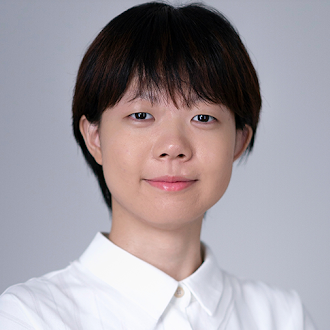
Xinyi Zhu
Motion Graphics and Animation Specialist
Presenter Bio
The Digital Studio at RITS supports faculty in creating engaging instructional videos to enrich the classroom experience and promote flipped classroom pedagogy. The team also develops blended and online courses at various levels—including NYU Shanghai's MOOC and Mini Course series—sharing faculty expertise with learners beyond campus and fostering an inclusive community through sharing, empowering, and inspiring.
WORKSHOP 2
Speak Up, Stand Out: Presenting with Confidence
Effective presenting is an essential professional skill, whether you're sharing at a conference, pitching an idea, or speaking in a meeting. This interactive workshop explores practical techniques for creating clear, engaging and persuasive presentations. Through short expert input, hands-on activities, practice and peer feedback, participants will work on audience awareness, message structure, openings, delivery and managing presentation nerves. Participants will leave with practical techniques they can apply immediately to their next presentation, pitch or professional speaking situation.
Presenter

Catherine Journeaux
Senior Lecturer in English for Academic Purposes
NYU Shanghai
Presenter Bio
Cathy Journeaux is a Senior Lecturer in the English for Academic Purposes Program and Coordinator of the Academic Resources Center at NYU Shanghai. She is an academic skills lecturer with extensive experience teaching academic and professional communication, including presentation skills, academic and technical writing, and communication for professional contexts. Prior to joining NYU Shanghai, she taught at Zayed University in Abu Dhabi and the University of Sheffield in the UK, where she supported students in developing effective communication skills.
Cathy holds an MEd in Educational Technology and ELT from the University of Manchester and is a Fellow of the Higher Education Academy. Her professional and research interests include communication skills, self-efficacy, digital literacy, and self-determination.
WORKSHOP 3
Knowledge Café and Fireside Chat: Leadership in an Era of AI and Disruption
Facilitated by experienced moderators and rapporteurs, the Knowledge Café will provide participants with an interactive platform to explore some of the most pressing leadership challenges in today's volatile, uncertain, complex, and rapidly evolving environment shaped by artificial intelligence and digital disruption.
Through guided discussions, participants will examine thought-provoking questions such as:
- Is leading in an AI-driven world a boon or a bane?
- How can leaders effectively engage and inspire a multigenerational workforce?
- What are the causes and consequences of leadership toxicity, and how can organisations foster wellbeing and psychological safety?
- Who are our leadership role models, and what lessons can we learn from them?
- What leadership capabilities are most critical for the future?
The session will culminate in a Fireside Chat featuring Mr Rajen Munoo, Singapore Management University Libraries, and Ms Yuhanis Yusoff, Tanoto Research and Learning Hub, Research & Innovation Department, INSEAD. Drawing on their personal leadership journeys, they will share candid reflections, practical insights, and lessons learned from navigating complex organisational challenges. Participants can expect an authentic conversation on leadership in practice, including successes, setbacks, and valuable lessons from the front lines.
This session offers a unique opportunity for peer learning, reflection, and meaningful dialogue on the evolving nature of leadership in higher education and beyond.
Presenters

Rajen Munoo
Advisor, Learning Programmes & Global Relations
Singapore Management University Libraries
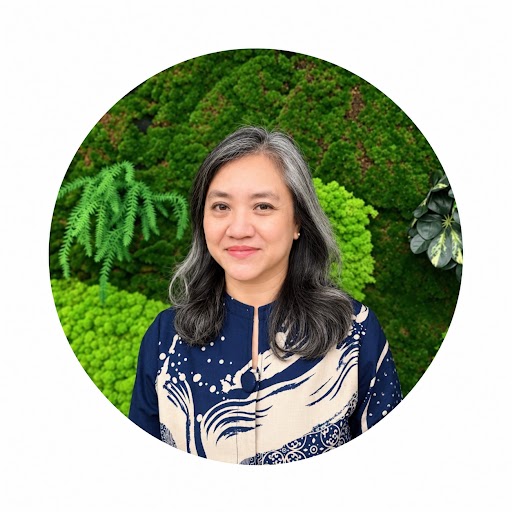
Yuhanis Yusoff
Associate Director, Tanoto Research and Learning Hub, Research & Innovation Department
INSEAD
Presenter Bios
He holds Master’s degrees in Library and Information Management from the University of Sheffield and Information Studies from the University of Natal, complemented by qualifications in higher education, e-learning, instructional design, and training. Rajen is Programme Manager for the Emerging Library Leaders’ Summer School for Asia-Pacific (ELLSSA) and the Leadership Institute for Library Innovation (LILI), a collaboration between SMU Libraries and CHRIST University Higher Education Leadership Institute. A graduate of the ACRL/Harvard Leadership Institute for Academic Librarians and former Adjunct Faculty member at Nanyang Technological University, his interests include digital literacy, leadership development, advocacy, and continuing professional education. Drawing on experience across Singapore, the United Arab Emirates, and South Africa, he brings a global perspective to fostering innovation, collaboration, and leadership in libraries and higher education.
WORKSHOP 4
Explore AI for Literature Discovery: Investigating Tools and Sharing Practices
In this workshop, we will provide an overview of selected AI-powered tools for literature discovery. We will look at their most common capabilities and unique features, and share our experiences. Participants will have the opportunity to experiment with these AI tools and share their findings and thoughts. Through this workshop, we hope to engage educators and stakeholders in conversations around using AI for academic research and reflect together on how the AI-influenced information landscape will impact learning and researching.
Presenters

Ye Zhai
Reference and Research Services Librarian for Social Sciences and Economics
NYU Shanghai Library

Vanessa Lawrence
Orientation Program Coordinator, Instructional Services Librarian
NYU Shanghai Library
Presenter Bios